Botanical Monogram: An Elegant Decorative Font for Handmade Crafters
Last week I was sitting on my studio floor surrounded by piles of candle tins, sticker paper, and a freshly printed test sheet of label designs. I had just finished a small batch of soy candles scented with lavender and cedar, and I wanted a label that felt as thoughtfully made as the product itself. After trying a handful of fonts that looked either too stiff or too frilly, I opened up a new typeface I’d been saving for a special project: Botanical Monogram. The moment I typed a single letter, I knew this was the one.
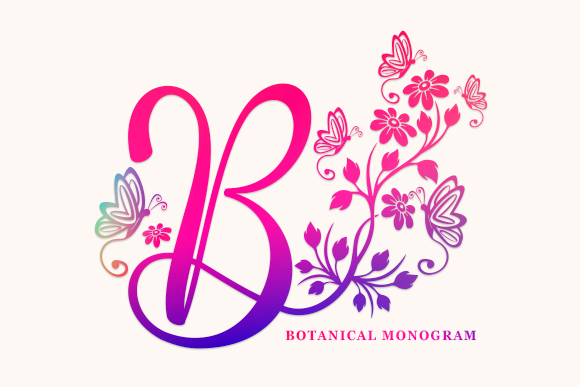
There’s something about the way Botanical Monogram carries itself. It’s not trying to shout. Instead, it quietly brings a sense of careful artistry to whatever it touches. Every character feels like it was drawn with a steady hand, and the little ornaments woven into the letterforms remind me of vintage pressed flowers or hand-stitched embroidery. For a maker like me, who sells handmade goods online and at local markets, that kind of authentic feel is worth everything.
Seeing Botanical Monogram Come Alive on Labels and Packaging
I started by using Botanical Monogram for the main word on my candle labels—just “Cedar + Lavender” set in a soft cream oval. The font’s decorative swirls and delicate serifs gave the label a boutique look without feeling overdone. I paired it with a simple sans serif for the scent notes and ingredients below, letting the monogram lettering do the heavy lifting. The result was a label that looked like it belonged on a shelf in a small French apothecary.
But candle labels were only the beginning. Soon I was pulling up Botanical Monogram for every project that needed a touch of romance. I used it on kraft paper gift tags for seasonal bath salt bundles. I set it large on a printable “Welcome” sign for a friend’s backyard wedding. I even tested it on a clear sticker sheet for a line of botanical planner stickers—and the letters cut beautifully on my Cameo, even at smaller sizes, as long as I kept the stroke weight reasonable. The key is to use this typeface for display purposes: names, short phrases, titles, and decorative words. It’s not designed for long paragraphs, and it doesn’t need to be. Its charm lies in that single, graceful headline.
From Wedding Invitations to Farmhouse Signs
Botanical Monogram is a natural fit for wedding stationery. I designed a mock invitation suite for a couple who love wildflowers, using the font for the bride and groom’s names and the word “Celebrate.” The ornaments within the letterforms echoed the floral illustrations I added around the border. It felt cohesive, elegant, and personal—exactly what couples are looking for when they order custom printables. I also used it on a small welcome board for a dinner party, cutting the letters out of adhesive vinyl and applying them to a painted wooden plank. The vine-like details in the font stood out beautifully against the matte background.
If you make farmhouse-style signs or rustic home decor, Botanical Monogram can give your products a heirloom quality. I’ve seen it used on wood-burned serving boards, on fabric labels sewn into linen tea towels, and even on reusable tote bags with heat-transfer vinyl. Because the font has a slightly handwritten, organic feel, it doesn’t look out of place on materials that are supposed to feel natural and unpolished.
How This Font Affects Product Presentation and Brand Identity
As a handmade seller, I’ve learned that the way a product looks in photos determines whether someone stops scrolling or keeps going. Botanical Monogram adds a layer of perceived quality that customers can sense even before they read the description. When I used it on my product labels, I noticed that my Instagram mockups felt more curated. The font’s elegance translated into a brand identity that felt both modern and nostalgic. It helped my small shop stand out among the endless sea of minimalist sans serifs. For anyone building a brand around flowers, vintage aesthetics, or handcrafted goods, this typeface can become a signature element.
Consistency matters too. Once I committed to using Botanical Monogram for all my product names and logos, my packaging started to feel like a collection rather than a random assortment. Customers who bought a candle then saw my bath salts with the same lettering recognized the brand instantly. That recognition builds trust and makes repeat purchases more likely. It’s a small but powerful way to reinforce your shop’s identity.
Practical Advice for Cutting Machines and Small Sizes
If you plan to cut Botanical Monogram with a Cricut or Silhouette, a few things will save you frustration. First, test the font at your intended size before committing to a full sheet. At very small scale (under half an inch), the delicate ornamental details can turn into blobs or fall off entirely. I recommend using the font for letters that are at least ¾ inch tall for vinyl projects, and even larger for heat transfer on fabric. For printed stickers or paper labels, you can go a bit smaller—around ½ inch still looks crisp on quality sticker paper. Always do a test cut on scrap material to see how the thin lines hold up.
When you’re designing in software like Illustrator or InDesign, check if Botanical Monogram includes alternate characters, ligatures, or swashes. Some decorative fonts come with multiple versions of a single letter, letting you choose a more ornate option for the first letter of a name. That extra detail can turn a simple monogram into a showstopper. I often use the alternate “S” or “M” for my shop name on packaging—it adds that handcrafted variation that customers love.
Pairing Botanical Monogram with Other Typefaces
Because Botanical Monogram is so decorative, it needs a clean, quiet partner to let it shine. I’ve had great results pairing it with a simple sans serif like Lato or Montserrat for body text. On greeting cards, I set the recipient’s name in the monogram font and the message below in a light, airy sans serif. For a more vintage look, a slab serif or a simple serif like Garamond also works well. The contrast between the ornate display type and a neutral companion creates a balanced design that feels intentional, not busy.
Some makers like to pair Botanical Monogram with a flowing script font for double-name monograms or wedding logos. That can be beautiful, but be careful not to let both fonts compete. I usually keep the script as a subtle accent—maybe the couple’s last name in a script and their first names in the monogram font. The key is to let one font dominate and the other support.
Commercial Licensing and File Formats
Before you start selling products that feature Botanical Monogram, review the commercial license that came with your purchase. Most premium decorative fonts allow you to use them on physical products like candles, T-shirts, and mugs, but the terms for digital downloads—such as editable templates or printables—can vary. Some licenses require an extended license for digital resale. It’s your responsibility to check, but many foundries make it straightforward. The font typically comes in OTF and TTF formats, which work on both Mac and Windows. If you’re using it for web graphics or social media posts, you may need a webfont license or convert it to a PNG with a transparent background.
I also recommend looking for multilingual support if you serve an international audience. Many decorative fonts only include basic Latin characters, so if you need accents or special characters, verify that Botanical Monogram covers them. This detail can save you from a last-minute scramble when a customer requests a name with an accent.
Real Projects That Showcase the Font’s Versatility
Here are a few ways I’ve used Botanical Monogram that might spark ideas for your own shop or creative projects:
- Candle labels – Main scent name in the monogram font; size, burn time, and scent notes in a clean sans serif. Printed on matte white sticker paper.
- Wedding invitation suite – Couple’s names and “Together with their families” in the font; RSVP card details in a light serif. Gold foil effect applied digitally.
- Planner sticker sheet – Month titles and decorative word stickers (like “Gratitude” or “Dream”) in the font. Cut on kiss-cut sticker sheets for a watercolor paper feel.
- Gift tag set – “To” and “From” in the monogram font, plus small floral ornaments as accents. Punched with a hole punch and tied with twine.
- Digital printable wall art – A quote or single word like “Bloom” set large in the font, framed by a simple border. Sold as a PDF download.
- Boutique packaging – Shop name in the font on a belly band wrapped around a soap box. Paired with a small thank-you card in the same style.
Each of these projects took a little experimentation with size and spacing. I learned to adjust kerning manually in some cases because decorative fonts sometimes have wide default spacing. A little tightening can make the word feel more solid and readable. I also learned to avoid using all caps for long phrases—the ornamental details stack up and become hard to parse. Lowercase or title case tends to read more smoothly.
Bringing Seasonal Designs to Life
During the holidays, I created a set of gift tags using Botanical Monogram for words like “Joy,” “Noel,” and “Peace.” The font’s natural floral feel worked beautifully with winter greenery graphics. I printed them on recycled kraft cardstock and added a small hole for a jute string. They sold out faster than any tag I’d made before. The same font appeared on a Christmas Eve box I decorated for a personal gift—just the word “Merry” in silver vinyl on a navy matte box. Simple, elegant, and memorable.
For spring, I imagine using it on seed packet printables or garden markers. The botanical theme is already built right into the lettering. That’s the beauty of a font like this: it doesn’t just say a word—it also says something about the mood and intention behind the product.
Whether you’re preparing mockups for your Etsy shop, printing labels for a craft fair, or designing a one-of-a-kind gift, Botanical Monogram gives you that extra layer of craftsmanship that customers notice. It turns a simple product name into a tiny piece of art. And for makers like us, that’s exactly the kind of tool we want in our design toolbox.