Qonitya: A Flowing Script Font for Handmade Products and Printables
If you create handmade products or run a small shop on Etsy or another marketplace, you know that typography can make or break the look of your items. The right font gives your packaging, labels, and printables a polished, professional feel. When I came across Qonitya, a beautiful script font with generous loops and a wealth of alternate characters, I knew it was something special. In this article, I will share how this typeface can elevate your craft projects and help you build a cohesive brand identity for your business.
The Visual Personality of Qonitya
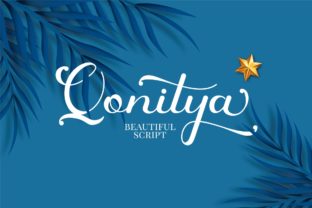
Qonitya is a flowing, elegant script font that strikes a balance between refined beauty and approachable charm. Its long, looping descenders and graceful ascenders give it a romantic, almost hand-lettered feel. At the same time, the letterforms remain clear and well-proportioned, so they work beautifully in both small and large sizes. This is not a font that feels stiff or overly formal. Instead, it carries a warmth that suits wedding stationery, boutique packaging, and everyday craft projects alike.
What sets Qonitya apart from many other script fonts is the generous set of alternate characters. When you are creating a custom label or a sign, these alternates let you vary the look of repeated letters, avoid monotony, and add a bespoke touch to every project. Whether you are lettering a couple’s names on a wedding invitation or printing a short phrase on a candle label, these alternates give you creative freedom without requiring any design software beyond what you already use.
Practical Project Ideas for Your Shop
I have tested Qonitya across several types of products, and it consistently delivers attractive results. Here are some of the most promising ways to use this font in your own handmade or printable product line.
Labels and Packaging
Product labels are often the first thing a customer sees. A carefully chosen font signals quality and attention to detail. Qonitya works beautifully on small adhesive labels for candles, soaps, lotions, and bath salts. The loops add a decorative element without overwhelming the product name. Because the font remains readable at reduced sizes, you can fit longer product names onto narrow labels without losing legibility. For example, a lavender vanilla candle label with the scent name set in Qonitya and a simple sans serif for the brand name looks both upscale and inviting.
Invitations and Stationery
The product description mentions wedding invitations, and Qonitya truly shines in this area. The font handles formal phrasing like "Mr. and Mrs." as well as casual wording for bridal showers and birthday parties. I have used it to create digital invitation templates for Etsy, and customers frequently comment on the elegant look. Pair it with a clean serif or sans serif for the event details, and let Qonitya carry the main headline. The alternates let you customize each invitation set so that no two orders feel identical.
Wall Art and Home Decor
Printable wall art is a staple for many small shop owners. Qonitya works especially well for inspirational quotes, family names, and farmhouse-style signs. Because the font has a lot of movement, it fills space nicely on an 8x10 or 11x14 print. I recommend using it for short phrases of two to five words. For longer quotes, combine Qonitya with a simple sans serif for the body text and reserve the script for the key phrase. This keeps the design balanced and easy to read.
Mugs, T-shirts, and Tote Bags
If you sell printed merchandise, Qonitya is a strong candidate for products that feature names, short sayings, or monograms. The loops and swashes add a handmade feel that customers associate with artisan goods. When preparing files for a heat press or screen printing, be sure to convert the text to outlines or curves so the alternate characters stay in place. I have used Qonitya for personalized tote bags with floral motifs, and the combination of script typography and nature-inspired graphics sells consistently.
Readability and Cutting Machine Advice
One of the first questions I ask about any script font is how it behaves on a cutting machine. Qonitya performs well on Cricut and Silhouette machines, especially when you choose the thicker letterforms from the alternate set. For small stickers and delicate labels, avoid scaling the font below 12 points. At very small sizes, the loops can merge, and the fine strokes may become difficult to weed. I recommend testing a few sample cuts before producing a large batch. For larger signs and wall decals, the font cuts cleanly, and the loops add visual interest without causing weeding problems.
When you are designing for print, the same principle applies. On a 5x7 card or a 2x3 label, the font remains readable and attractive. The alternates allow you to adjust the density of loops to suit your layout. For a minimalist look, choose standard letters with fewer swashes. For a more ornate style, select the alternate characters with longer loops and flourishes. This flexibility makes Qonitya a practical choice for product lines that range from simple to elaborate.
Font Pairing Ideas That Work
A script font like Qonitya pairs best with a neutral, readable counterpart. I have experimented with several combinations, and here are the pairings that consistently produce professional results.
For a classic wedding look, pair Qonitya with a clean serif font like Playfair Display or Lora. The serif adds structure and formality, while the script brings warmth. This combination works for invitation suites, save-the-date cards, and thank-you notes. The contrast between the two typefaces helps guide the reader’s eye from the headline to the details.
For a modern, minimalist brand, pair Qonitya with a geometric sans serif like Montserrat or Raleway. The sans serif keeps the design grounded and easy to read for addresses, prices, and ingredient lists. Qonitya then becomes the accent that adds personality. I use this pairing for product labels and packaging where the brand name is set in the sans serif and the product variant or tagline is in Qonitya.
If you prefer a rustic or farmhouse aesthetic, combine Qonitya with a simple slab serif or a handwritten sans. The slab serif adds weight and stability, which balances the flowing loops of the script. This works well for signs, mason jar labels, and gift tags.
Alternates, Ligatures, and File Formats
Qonitya includes a large set of alternate characters and ligatures, which are automatically accessible in most design programs. In software like Adobe Illustrator, Canva Pro, or Affinity Designer, you can open the glyph panel to browse and select the alternates. If you use Silhouette Studio or Cricut Design Space, check whether the font supports OpenType features. In Design Space, you may need to use the character map or a separate program to access alternates, but once you insert them into your design, they stay in place.
The font is likely supplied in OTF and TTF formats, both of which work well for print and cut projects. OTF files typically offer better support for OpenType features like ligatures and alternates, so I recommend using that format when possible. Also check whether Qonitya includes multilingual support if you sell to an international audience. Many script fonts cover basic Western European characters, which is sufficient for most English-language shops.
How Qonitya Affects Product Presentation and Perceived Value
Typography plays a significant role in how customers perceive the quality of your products. A generic system font can make even a well-made item look ordinary. In contrast, a carefully selected script font like Qonitya signals that you have invested time in your brand. Customers associate elegant typography with premium goods, and they are often willing to pay more for products that look curated.
When I switched from a basic script to Qonitya for my own candle labels, I noticed an immediate improvement in customer feedback. People described the packaging as "beautiful" and "gift-worthy." That perception directly translates into sales, especially during the holiday season when shoppers look for presents that feel special. The font also helps with brand recognition. When customers see the same typeface across your product line, they begin to associate it with your shop. Consistent typography builds trust and makes your brand more memorable.
Commercial Licensing Considerations
Before using any font in products you sell, it is essential to understand the licensing terms. Qonitya, like most premium script fonts, likely comes with a standard license that covers personal use and limited commercial use. If you are selling physical products like candles, mugs, or printed stationery, you generally need a commercial license that permits using the font in items sold to customers. The same applies if you create digital templates, printable wall art, or SVG designs for sale. Many foundries offer tiered licenses, so check whether your intended use falls within the terms. If you create custom client work, such as wedding invitations for a paying client, confirm that the license covers that scenario. Investing in the proper commercial license protects your business and ensures that you can continue using the font without legal concerns.
Bringing Qonitya into Your Creative Workflow
Once you have installed Qonitya and explored its alternate characters, I recommend creating a few test projects to see how it behaves with your equipment and materials. Print a sample sheet at different sizes to check readability. Cut a few test labels on your Cricut or Silhouette to confirm the weeding process. Experiment with pairings and find the combination that best represents your brand. Because the font offers so many alternates, you may find that you can create an entire product line around it without ever running out of design possibilities.
Whether you are launching a new line of wedding invitations, updating your soap labels, or creating seasonal wall art, Qonitya gives you the flexibility and elegance that handmade products deserve. It is a script font that feels both personal and professional, and that is exactly the balance that small shop owners need.