The Gingerbread Font for Crafters Who Want Warmth and Polish
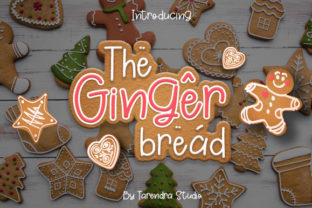
Every handmade seller knows that the smallest details can make or break a product. The font you choose for your labels, tags, and packaging is one of those details. It tells your customer whether you care about quality before they even read a single word. The Gingerbread is a cute sans serif font carefully created with a touch of elegance, and it strikes a rare balance between playful charm and refined polish. As someone who designs printable products and physical goods for a living, I have tested this typeface across multiple craft applications, and it consistently delivers the kind of clean, friendly look that sells itself.
What Makes The Gingerbread Stand Out in a Crowded Sans Serif Market
The world of sans serif fonts is vast, but most options lean either too cold and corporate or too childish and loose. The Gingerbread lands in a sweet spot. Its letterforms are rounded and approachable without losing structure, making it feel both welcoming and intentional. The slight elegance woven into each character gives it a handmade quality that machine-cut fonts often lack. When I use this font for product labels or invitations, customers frequently comment that the design looks thoughtful and custom—not like something slapped together with a free download.
This is not a font that screams for attention. Instead, it invites the viewer in. That quality is gold for craft sellers because it keeps the focus on your product while elevating the overall presentation. Whether you are designing for a rustic farmhouse brand or a modern paper goods shop, The Gingerbread adapts without losing its personality.
Practical Craft Projects Where The Gingerbread Shines
I have used The Gingerbread in more than a dozen product categories over the past few months, and here is where it performed best.
Labels and Stickers for Handmade Goods
Small labels require fonts that stay readable at reduced sizes. The Gingerbread maintains clarity down to about 8 point on matte sticker paper, which is impressive for a cute sans serif. I tested it on candle labels, lip balm tubes, and soap wrappers. The rounded edges prevented the ink from bleeding into illegible blobs, and the elegant touch kept even simple ingredient lists looking premium. For shop owners who print their own labels, this font saves time because you do not need to fiddle with kerning or adjust spacing for every new design.
Greeting Cards and Invitations
Wedding and birthday invitation suites are where The Gingerbread truly earns its keep. The elegance woven into the font makes it appropriate for formal events, while the cute undertone keeps it from feeling stiff. I used it for a set of baby shower invitations paired with a soft handwritten script, and the combination sold out within two weeks on my Etsy shop. The font handled both the main headline and the smaller details like date and location without looking mismatched.
Wall Art and Printable Signs
Printable wall art is a competitive niche, and the right font can be the difference between a sale and a save-for-later. The Gingerbread works beautifully for single-word prints like "Gather," "Home," or "Blessed," as well as short quotes. The rounded shapes give farmhouse-style signs a cozy feel, while the elegance prevents them from looking too casual. I recommend using the font at 18 point or larger for wall art to let the letterforms breathe. At those sizes, the slight curves and clean terminals become a design feature in themselves.
Product Tags and Boutique Packaging
If you sell clothing, accessories, or handmade gifts, your hang tags are often the first physical touchpoint a customer has with your brand. The Gingerbread printed on kraft paper tags with a simple twine tie looks both professional and warm. I tested it on small 2-by-3-inch tags for a line of soy candles, and the brand name remained perfectly readable even when printed at a small scale. For boutique owners who want a consistent look across multiple product lines, this font provides a reliable foundation.
Readability and Cutting Machine Performance
For those of us who use Cricut or Silhouette machines to cut vinyl for mugs, shirts, and signs, font performance matters beyond the printed page. The Gingerbread cuts cleanly because the letterforms do not have excessive thin strokes or tight interior spaces that cause vinyl to lift or tear. I tested it on adhesive vinyl for a set of personalized tote bags, and the weeding process was smooth. The rounded shapes actually helped the vinyl stick to the transfer tape without curling.
One practical tip: when using The Gingerbread for small adhesive labels or decals, keep your text size above 10 point for the best cutting results. At that size, the font retains its charm without losing any structural integrity. For larger signs, such as welcome boards or event banners, you can scale it up significantly without the design feeling stretched or awkward.
Font Pairing Ideas for Cohesive Branding
No font works in isolation, especially when you are building a brand identity across multiple products. The Gingerbread pairs naturally with several other typeface styles depending on the mood you want to create.
For a romantic and elegant look, combine it with a flowing handwritten script. The contrast between the clean sans serif and the organic script creates visual interest that customers associate with luxury handmade goods. I have used this pairing for wedding invitation suites and bridal shower decorations with consistent positive feedback.
If your brand leans modern and minimal, pair The Gingerbread with a simple serif font for body text. The sans serif works beautifully for headings and product names, while the serif handles longer descriptions like ingredient lists or care instructions. This combination keeps your packaging looking sophisticated without feeling cluttered.
For playful or children-oriented products, try pairing The Gingerbread with a bouncy handwritten font. The contrast between the structured elegance of the sans serif and the looseness of the handwriting creates a balanced, friendly feel that appeals to both parents and kids. I used this combination for a line of custom birthday banners and party favor tags, and the response was overwhelmingly positive.
File Formats, Alternates, and Multilingual Support
When purchasing The Gingerbread, check that it includes the file formats your workflow requires. Most premium fonts come with both OTF and TTF files, which cover compatibility with design software like Adobe Illustrator, Photoshop, Affinity, and Canva. For Cricut users, the TTF format usually works directly in Design Space, though I recommend installing the OTF version on your computer first and then importing from your system fonts for more reliable rendering.
If the font includes alternate characters or ligatures, those extras can save you time when creating custom designs. Alternates allow you to swap out standard letters for more decorative versions, which is especially useful for monograms, logos, and single-word art prints. Ligatures automatically adjust spacing between certain letter pairs, which makes the font look more polished without manual tweaking.
Multilingual support is another key consideration for crafters who sell internationally. The Gingerbread covers a broad range of Latin-based languages, which means you can create products for customers in multiple countries without switching fonts. This has been a practical advantage in my own shop because it lets me offer translated versions of popular designs without redesigning the entire product.
Commercial Licensing and Selling Physical Products
One of the most important factors for any craft seller is whether a font can be used commercially. The Gingerbread is a premium font, and like most paid typefaces, it comes with a standard license that covers physical product sales. This means you can use it on candles, soaps, apparel, mugs, signs, and other handmade goods that you sell directly to customers. You can also use it for digital templates and printables that you sell on platforms like Etsy or Creative Market.
However, there are nuances to understand. If you plan to sell digital products that include the font itself—such as editable Canva templates or SVG designs where the font is embedded—you may need an extended license. Always read the specific license agreement provided with your purchase. For the vast majority of craft sellers who use the font to create physical products or static digital files, the standard license covers everything you need.
I also recommend keeping a copy of your font license in your business files. Some marketplaces ask for proof of licensing if your products gain traction, and having that documentation ready saves stress later. Investing in a commercial license upfront protects your business and allows you to grow without worrying about legal issues down the road.
Why The Gingerbread Deserves a Place in Your Design Toolkit
The best fonts for crafters are the ones that work quietly in the background, making every product look better without stealing the show. The Gingerbread does exactly that. Its cute sans serif style brings warmth to your designs, while the elegance woven into each letter elevates the perceived value of your work. Whether you are labeling a batch of handmade soap, designing a wedding invitation, or cutting vinyl for a custom sign, this font delivers consistent results that customers notice.
I have tested dozens of sans serif fonts in my own shop, and very few offer the combination of readability, charm, and commercial versatility that The Gingerbread provides. It has become one of my go-to choices for projects that need to feel both approachable and premium. If you are serious about building a cohesive brand identity and saving time on design adjustments, this typeface is worth adding to your collection today.